
Stormwater
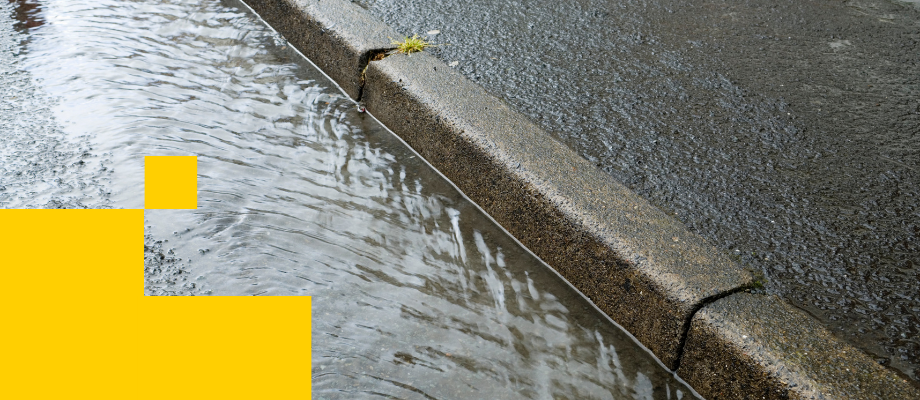
Stormwater is rainwater that falls on the roof of your house, or collects on paved areas like driveways, roads and footpaths and is carried away through our drains, pipes and channels to our local creeks, wetlands, estuaries and finally, to the ocean.
Urban water cycle
Newcastle has a network of pipes, channels and waterways that move water from place to place:
- Water mains carry drinking water to our homes and businesses
- Sewer mains carry dirty water to sewage treatment plants
- Stormwater drains carry rainwater, running off our urban areas, into creeks, estuaries, wetlands, the Hunter River and our beaches
Council manages the urban water cycle through an integrated approach focused on stormwater, drainage infrastructure, and the health of natural waterways and catchments. This approach supports flood risk management, protects community safety, improves water quality, and enhances environmental outcomes, while recognising stormwater as a valuable resource rather than a nuisance. Council’s responsibilities extend to drainage networks, waterways, wetlands and floodplains, with a focus on sustainable, system-wide management. A new policy statement to guide this approach will be established through the Water Sensitive Cities Action Plan currently in development.
We manage:
- 537.9 km of pipes
- 18.6 km of culverts
- 23,900 pits
- 1,200 headwalls
- 740 water quality devices
- 67 kilometres of creek
63 wetlands and - 8 kilometres of river wall.
We’re also responsible for managing the quality, quantity and frequency of stormwater discharge from roads, buildings, open spaces and any other areas or types of development.
Concrete stormwater channels across the city and the sewerage system are owned and managed by Hunter Water.
Read our Stormwater Management Plan to find out more about the responsibilities of City of Newcastle, Hunter Water, and the community.
You can learn more about stormwater improvement projects being delivered on our Projects & Works page.